Artificial Roof Setup Tips for Houses Exposed to Snow and Wind
@lukasiiwv632
October 30, 2026 · 15 min read
Homes that face lengthy winter seasons, drifting snow, and hard seasonal wind need greater than a roofing that looks great from the road. They need a roofing assembly that sits tight when gusts begin prying at sides, drops snow without developing persistent ice troubles, and manages freeze-thaw cycles time after time. That is where synthetic roof coverings have earned genuine respect in the field.
I have actually seen lots of eye-catching roofings stop working early, not due to the fact that the material itself was bad, however since the installation did not represent neighborhood weather. A steep roof covering in an open class behaves in a different way than a sheltered roofing under fully grown trees. A valley that functions fine in a moderate environment can become the powerlessness after a hefty Chicago snowfall adhered to by an abrupt warmup and refreeze. With building artificial roof covering, the information matter as long as the item label.
For property owners taking into consideration domestic artificial roof, specifically in position with winter season direct exposure like northern Illinois, the discussion should work out beyond shade and account. Premium synthetic roof covering can mimic slate, cedar shake, or designer shingles perfectly, but performance originates from the whole system: deck condition, underlayment, flashing, fastener pattern, air flow, and installation methods tailored to wind and snow load.
Why artificial roof has come to be a serious option in extreme climates
Synthetic roof shingles are no longer dealt with as a specific niche material. The better items have developed significantly in the last years. They are lighter than natural slate, commonly much more dimensionally regular than wood, and less complicated to mount precisely when the staff understands the manufacturer's specifications. For homes subjected to wind, that uniformity matters. Unequal thickness and variable splitting, which can complicate setup with some natural products, are less of a problem with well-crafted synthetic roof systems.
Weight is one more useful advantage. A residence may enjoy the appearance of slate, however not every roofing system structure desires the tons of real stone, specifically when numerous inches of damp snow are added top. Artificial roofing substitute commonly comes to be eye-catching when home owners desire a high-end profile without expensive architectural support. On custom-made develops and synthetic roof for high-end homes, that adaptability opens up style choices that would certainly or else be harder to justify.
That claimed, not all artificial roofs are equal. There is a wide variety in polymer blends, UV stability, effect rankings, fire ratings, and accessory offerings. One artificial roof business may carry products targeted at cost-conscious jobs, while another concentrates on costs synthetic roofing with matching ridge, starter, and hip elements. In snow and wind region, those distinctions turn up sooner.
Start with the roofing system design, not just the material sample
The largest error I see is dealing with artificial roof installation like a straightforward material swap. A roof covering in a rough environment ought to be planned as a weather monitoring system. Before a single bundle or pallet arrives, the specialist ought to evaluate roofing pitch, overhang deepness, valley format, smokeshaft penetrations, soffit intake, ridge exhaust, and exactly how snow commonly crosses the roof plane.
Wind direct exposure deserves sincere interest. A home on a broad edge great deal, a ridge, or near open farmland sees uplift stress extremely in a different way from a home put amongst neighboring frameworks. If the home has several gables, dormers, and long eaves, those sides and shifts come to be risky zones. That is where an experienced artificial professional roofer will certainly usually spend added time on fastening layout and flashing details.
Snow develops a different collection of problems. It loads valleys, heaps behind chimneys, and melts unevenly where attic room heat runs away. In the Chicagoland area, freeze-thaw cycling can be unrelenting. A roof that warms up during the day and secures once again overnight will certainly check every seam, nail placement, and flashing bend. A synthetic professional roofer Chicagoland home owners depend on must discuss those characteristics early, not after the estimate is signed.
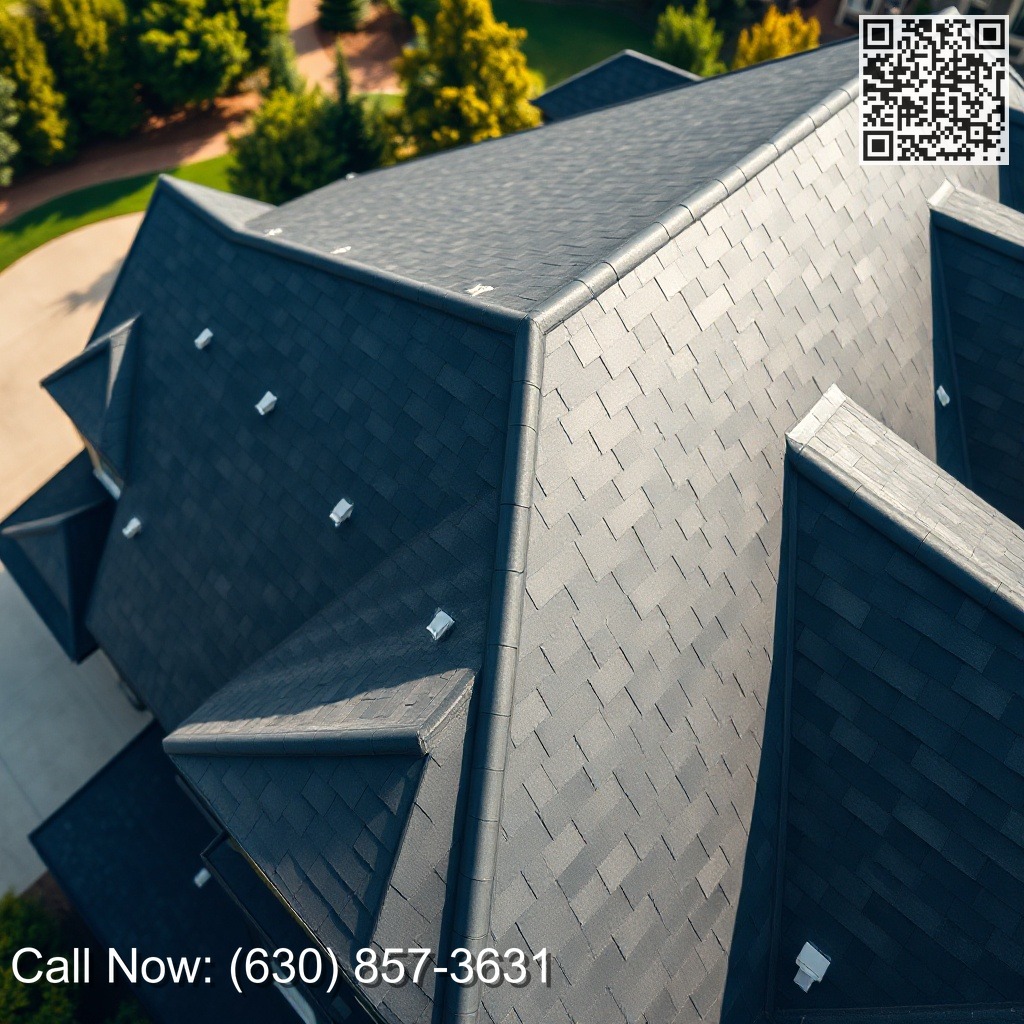
Deck condition decides greater than a lot of property owners realize
Synthetic items are forgiving somehow, yet they are not a cover-up for an exhausted roofing deck. If the decking has soft spots, side rot, delamination, or unequal airplanes, those flaws often tend to telegram right into the ended up roof or minimize bolt holding power. In strong wind, that is not an aesthetic concern. It is an architectural one.
During synthetic roof covering replacement, insist on a full deck assessment after tear-off. I have seen roof coverings where the old material looked functional from the ground, but once eliminated, several sheets near valleys and eaves were jeopardized from years of minor leakage and condensation. Changing those sections added cost in the moment, but it prevented a much larger repair work later.
Fastener retention depends on sound substratum. When suppliers define exact nail length, placement areas, and penetration depth, they are not filling up the direction sheet with legal language. They are attempting to guarantee the set up roofing can satisfy the anticipated wind rating. An artificial roofing system installers team that hurries this step can weaken a very good product.
Underlayment is where cold-climate roof coverings quietly be successful or fail
Homeowners normally focus on the visible roof product, but in snow country the underlayment does a significant quantity of work. Water does not constantly relocate straight downhill. Wind-driven snow can press dampness upwards under exposed sides, and ice dams can require meltwater back beneath the main roofing covering.
On homes revealed to snow, I generally like to see a durable ice and water membrane at eaves, valleys, around smokeshafts, around skylights, and in other leak-prone shifts. Depending on local code, roof covering geometry, and historic weather intensity, many specialists will extend that membrane well past the minimum code line. On the balance of expense versus protection, that is usually money well spent.
In more comprehensive field locations, a high quality artificial underlayment can add tear resistance and momentary dry-in protection, especially during unpredictable winter season scheduling. When a synthetic roof covering business claims the roof system consists of underlayment, ask which one, where it is being made use of, and why. "System" is just one of those words that appears reassuring till you select the actual components.
Wind resistance boils down to edges, fastening, and discipline
When wind harms a roof, the failure typically starts at the boundary. Corners, rakes, eaves, ridges, and exposed changes take the first hit. Once wind obtains under a weak edge, the pressure can take a trip fast. I have actually seen roofs shed just a couple of items in the beginning, then open up substantially in the following storm because the original repair overlooked the underlying uplift issue.
That is why side steel, starter programs, and fastener placement need to be specific. A professional synthetic roofer will not "eye it" when the producer gives a required nailing zone. If a product calls for 6 nails per piece in a high-wind application, making use of 4 due to the fact that it really feels ample is not workmanship. It is a gamble.
This is likewise where training issues. Some roofers are outstanding with asphalt but much less knowledgeable about building synthetic roof covering profiles that have different direct exposure lines, securing features, or accessory items. Synthetic roof covering installers require to comprehend the certain item on the vehicle that day, not synthetic roof in the abstract.
A couple of installment points should have unique attention on windy, snowy homes:
- Reinforce eaves, rakes, and corners according to the supplier's high-wind requirements.
- Use the specific bolt kind, size, and quantity specified for the deck and product.
- Install starter, hip, and ridge devices that are created for the roofing line, not improvised substitutes.
- Keep exposure and placement tight so wind can not manipulate irregular gaps or raised edges.
- Verify that flashing and edge steel sequencing routes water out, even if snow supports temporarily.
That short list sounds basic, however in the area, those are the information that divide a roof that survives rough winters from one that becomes a recurring service call.
Snow dropping is excellent, till it develops a new hazard
One underappreciated feature of lots of artificial roofs is just how efficiently they lost snow. Compared with rougher surface areas, some synthetic profiles permit snow to launch even more easily. That can decrease prolonged loading, which is handy, yet it can also produce unexpected snow slides over entrances, decks, pathways, and lower roofing system sections.
This is where item selection and roofing system geometry need to be reviewed together. On a steep front-facing roofing system above an active entrance, the proprietor might take advantage of a snow retention strategy. On another area, free shedding may be preferable to minimize hefty build-up. There is no universal response. A great installer weighs safety and security, appearances, and wetness monitoring together.
Homes with multiple intersecting roof aircrafts require additional assumed right here. Snow sliding from a top roof covering can influence a lower section with sufficient pressure to stress and anxiety flashings, rain gutters, or guards if they are not developed for it. I have seen lower valleys loaded difficult with snow and ice merely since the top roof unloaded onto them consistently all season.
Ventilation still matters, despite superb materials
Premium artificial roof covering will certainly not address attic room heat imbalance. If cozy indoor air leakages into the attic or ventilation is inadequately stabilized, snow can thaw erratically on the roofing system deck, after that refreeze at colder eaves. That is the amount of ice dams begin. The roof covering obtains condemned, yet the origin problem is typically inside the building envelope.
An appropriate examination should take a look at insulation levels, air sealing, soffit consumption, baffles, and ridge or high-exhaust ability. The goal is a roof covering deck that stays as close as useful to the outside temperature in winter. If that sounds even more like structure science than roofing, that is since it is. In cool climates, roofing efficiency sits right at the junction of both.
For house owners in synthetic roof covering Chicago markets and western suburban areas such as synthetic roof Naperville IL jobs, this is particularly appropriate due to the fact that winter weather condition tends to cycle between deep chilly, wet snow, thaw, and refreeze. That sequence penalizes any type of weak point in air flow or insulation.
Valleys, smokeshafts, and infiltrations deserve much better than "basic detail"
Most leakages do not take place in the broad field of the roof. They happen where products alter direction, where water focuses, or where something jabs with the plane. Valleys channel large quantities of water and melted snow. Smokeshafts interrupt runoff and develop drift areas. Pipes heaps, satellite installs, skylights, and vent hoods each include another possibility for wetness intrusion.
I am wary whenever a proposition plays down these locations with common language. On high-end domestic artificial roof covering, particularly artificial roof covering for luxury homes with complicated architecture, information work is where the installation earns its cost. Counterflashing must be crisp. Saddle flashing behind bigger smokeshafts should be considered where appropriate. Valleys ought to be developed with both drainage and snow habits in mind.
One practical example: open valleys can execute very well, however they need clean geometry and compatible steels. Closed-cut or woven techniques may suit various other roofing system kinds much better, relying on the item. With synthetic roofing shingles that copy slate or shake, the valley approach ought to match both the product and the environment. There is no factor to require a familiar approach if the supplier suggests another path.
Cold-weather organizing can affect installation quality
Winter roof is feasible, however it needs self-control. Some artificial products manage reduced temperatures better than others. Sealants act in different ways in the cold. Staff rate goes down when surfaces are icy and daylight is brief. That does not automatically imply the job should be delayed, but it does mean the timetable and methods require adjustment.
An experienced synthetic roofing contractor should be candid concerning this. If temperature levels are near product restrictions, if snow cover stops correct substrate preparation, or if the roofing can not be kept securely completely dry throughout setup, delaying a day or presenting the work in different ways might be the wiser step. It is far better to accept a short hold-up than thrill an irreversible setting up under short-lived pressure.
The ideal staffs prepare for weather windows. They protect subjected locations aggressively, phase products so pieces remain clean and manageable, and avoid shortcuts that frequently appear when a tornado is forecast for the following morning.
Choosing the best installer matters as high as picking the ideal roof
People commonly ask whether the brand name or the professional matters much more. In severe climates, I would certainly claim the specialist first, then the brand, provided the brand is trusted. A strong product can be spoiled by informal workmanship. A knowledgeable crew can make a good product do as meant for decades.
When assessing a synthetic roof covering business, ask certain concerns. Have they mounted this specific item prior to? Do they follow maker training or accreditation programs? Exactly how do they handle ice and water protection in valleys and eaves? What changes do they create high-wind zones? Can they discuss air flow approach in plain language? If the answers stay vague, maintain looking.
A trusted professional additionally recognizes the visual side. Lots of house owners choose architectural artificial roof covering due to the fact that they want the look of slate or cedar without the exact same maintenance burden or architectural weight. Great installers preserve that style intent by maintaining gushing tidy, cuts well balanced, and accessory items constant across the roof.
Here are a couple of signs that you are talking to the ideal group:
- They talk about the roofing as a system, not just a roof shingles or tile.
- They examine decking, attic room ventilation, and blinking conditions prior to finalizing scope.
- They can discuss manufacturer needs without guessing.
- They talk about regional snow and wind behavior, not generic nationwide averages.
- They supply a clear plan for protecting landscape design, seamless gutters, and prone roofing transitions.
That kind of discussion generally tells you more than a glossy brochure ever will.
Cost, value, and where premium alternatives make sense
Synthetic roof covering substitute frequently sets you back more upfront than typical asphalt, however the value equation is not practically preliminary rate per square. In snow and wind exposure, home owners need to consider longevity, anticipated maintenance, visual longevity, structural factors to consider, and insurance policy effects where applicable.
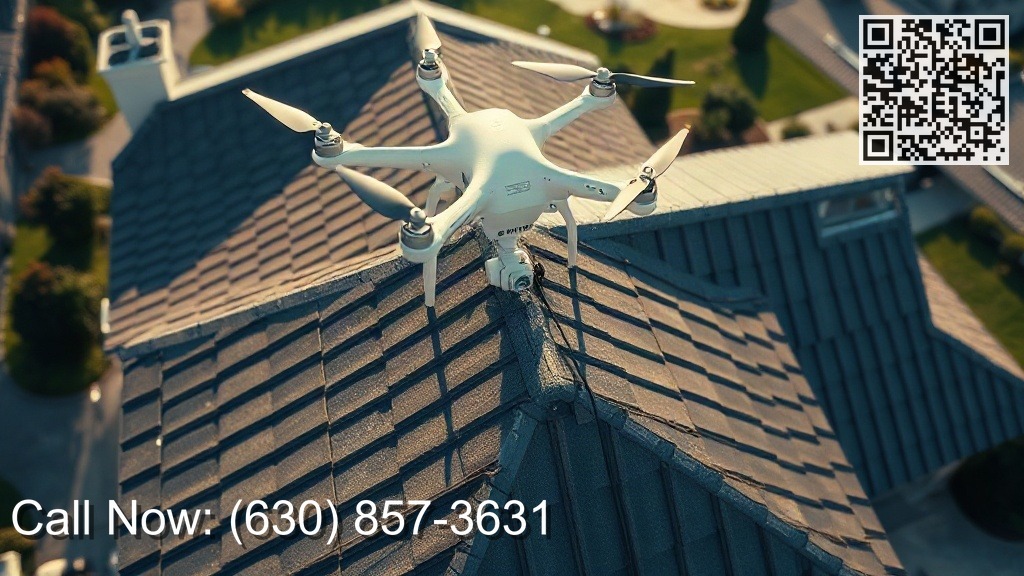
Premium artificial roof makes the most feeling when your home design asks for a polished account, when the owner desires reduced upkeep than all-natural timber, or when natural slate's weight creates problems. For some home owners, the deciding factor is visual charm coupled with tornado resistance. For others, it is the ability to obtain a premium appearance without reconstructing mounting to bring a much larger roof.
Still, costs does not imply overbuilt in every situation. A decently sized home in a sheltered setting may not require the most costly product if a mid-tier artificial roof fulfills the efficiency demands and the installment is exceptional. Good judgment suggests matching the roofing to your house, not instantly grabbing the top shelf.
A local perspective for snowy, gusty markets
In north Illinois, the difficulty is not simply one weather condition event. It is repetition. Snowfall, drifting, wind uplift, ice, thaw, rain on snow, after that one more freeze. A roofing system may look great after one winter months and begin revealing stress after the 3rd or 4th if details were missed out on. That is why home owners looking for artificial roof covering Chicago specialists or a synthetic roofing contractor Chicagoland team need to favor local experience, specifically with homes that have actually already lived through a number of winters.
The same goes with suv jobs. A crew doing artificial roof covering Naperville IL job need to understand community direct exposure patterns, usual attic room problems in the neighborhood housing supply, and exactly how metropolitan code intersects with producer suggestions. Regional know-how is not marketing fluff when climate is a significant design load.
What a well-installed artificial roofing system must feel like after the initial storm season
After an appropriate artificial roof installment, the indications are generally refined. You do not listen to items rattling in hard wind. Snow and meltwater action where they should. Attic examination reveals no fresh discoloration around penetrations or valleys. Rain gutters are not packed with uncommon particles. Edges remain neat, ridges remain straightened, and absolutely nothing about the roofing requests for attention.
That peaceful performance is the objective. The roofing system must not become one of the most fascinating component of winter. It needs to simply manage the season.
For property owners considering synthetic roof coverings for a snow- and wind-exposed home, the best advice is uncomplicated: select a product with proven requirements, however placed equivalent power right into picking the installer and examining the information of the assembly. Ask how the roofing will certainly handle uplift, drifting, ice backup, ventilation, and concentrated runoff. Press for specifics. On a tough home, those responses matter far more than a sample board in perfect display room lighting.
When synthetic roof are chosen attentively and set up with discipline, they can provide a compelling mix of durability, beauty, and practical performance. That is especially real for domestic artificial roof covering in climates where winter season examinations every faster way. A roofing system does not need to be showy to be impressive. In snow and https://gregoryawrv953.capitaljays.com/posts/how-synthetic-roofing-system-installers-prepare-homes-for-year-round-exposure wind nation, excellent typically indicates it is still doing its task long after the storm has passed.
When Quality Matters
Salvo Architectural Roofing Contractors
566 West 5th Ave Naperville, IL 60563
(630) 857-3631
 Ask ChatGPT
 Ask Grok
 Ask Perplexity
 Ask Claude
 Ask Google AI
 Ask You